LinuxGratis launches its new Astro-powered site
We rebuilt LinuxGratis with Astro 7 and host it on Stackscale's private cloud: a faster operating system directory, always-fresh data and a brand new articles section.
Read more →News, guides and releases from the free software world
We rebuilt LinuxGratis with Astro 7 and host it on Stackscale's private cloud: a faster operating system directory, always-fresh data and a brand new articles section.
Read more →How Linus Torvalds built the Linux kernel in 1991, the GPL license, the first distributions and why it now powers servers, phones and supercomputers.
Read more →The other great free-software lineage. How Berkeley turned UNIX into BSD and gave rise to the systems powering Netflix, the PlayStation and half the internet.
Read more →Before Linux, before BSD, before macOS there was UNIX. The story of the system born in 1969 that laid the foundations of almost every modern operating system.
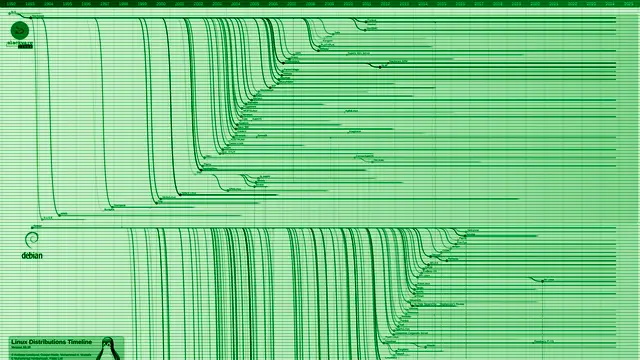
Read more →Hundreds of distros, a single kernel. Explore the Linux family tree: where Debian, Red Hat, Arch and Slackware come from, and why all that variety is a real strength.
Read more →Hans de Goede proposes a DT-ACPI hybrid mode in the Linux kernel to leverage the ACPI tables on Qualcomm Snapdragon X laptops. It already works on a ThinkPad T14s Gen 6 with keyboard and touchpad via ACPI.
Read more →Linus Torvalds reluctantly merged the sched_ext changes for Linux 7.2 but slammed the loose ext_* files dropped into kernel/sched. Days later a pull request moved them into kernel/sched/ext/.
Read more →Canonical brings Livepatch to Arm64: critical kernel patches without rebooting, landing with Ubuntu 26.04 LTS and Ubuntu Core 26.
Read more →OpenNebula ships Slurm appliances in its Marketplace for GPU-based AI training, with PCI passthrough, InfiniBand over SR-IOV, and a preview of OneSlurm as a managed service layer.
Read more →The optional KB5095093 update for Windows 11 24H2 and 25H2 brings Point-in-Time Restore, a VSS-based recovery that rolls the whole PC back to a state from the last 72 hours.
Read more →XCP-ng ships its second June patch set for 8.3 LTS: it fixes XSA-491 and XSA-492, an SMB kernel driver flaw and an lldpd over-read, and bumps DRBD, XAPI, the Intel ice driver and the Windows Guest Tools.
Read more →What Hyper-V nested virtualization is, what it's good for, and its limitations according to Microsoft's documentation.
Read more →OpenNebula argues that moving to VMware Cloud Foundation 9.1 is a full infrastructure redesign rather than a simple upgrade, and proposes KVM as a lighter path ahead of the vSphere 8 end of support in 2027.
Read more →Canonical explains how Ubuntu supports RISC-V custom instructions, with PPAs for stateless cases and an image cookbook when you need your own kernel.
Read more →postmarketOS 26.06 'Alpen Avocado' moves to Alpine Linux 3.24, ships GNOME 50, Plasma Mobile 6.6.5 and Phosh 0.55, switches to Plymouth and systemd 261, and reaches 254 devices in testing.
Read more →PorteuX 2.7 arrives with the Linux 7.1 kernel, KDE Plasma 6.7, GNOME 50.2 and eight desktops as standalone flavors. NTFS-plus driver, a native cursor theme and more.
Read more →Ubuntu LTS versions get 5 years of support. We explain what LTS means, how often they ship and which one fits your case.
Read more →SparkyLinux 2026.06 arrives based on Debian Testing "Forky", with the Linux 7.0 kernel by default, support for Linux 7.1, and Calamares 3.4.2.
Read more →Microsoft starts moving Experimental channel devices to Windows 11 26H2 via an enablement package. Builds 26300.8697 and 26220.8690, the Dev channel shift, and why 26H1 machines are left out.
Read more →The three Hyper-V virtual switch types and when to use each one, with the Hyper-V Manager steps and the PowerShell cmdlets.
Read more →The latest Raspberry Pi OS image arrives with the 6.18.34 LTS kernel, Labwc 0.9.7, and desktop refinements on top of the Debian 13 Trixie base. Here's what changed.
Read more →Canonical integrates Golioth as a snap on Ubuntu Core to manage Nordic and STM32 microcontrollers running Zephyr: OTA with rollback, mutual TLS, and the Pouch protocol.
Read more →Anbox Cloud 1.30.0 adds virtualized Android, letting you run complete system images in lightweight VMs with their own kernel, alongside the existing container model.
Read more →OpenNebula frames VMware-to-KVM migration as a three-phase process built around OneSwap, with delta migration cutting downtime from hours to minutes and a 90% automatic conversion rate in real projects.
Read more →Lech Sandecki lays out how Canonical handles the wave of flaws surfaced by AI models: security updates in 24 hours, coordinated disclosure and up to 15 years of support with Ubuntu Pro.
Read more →The first point release for Plasma 6.7 fixes a Discover crash on rpm-ostree distros, two Kickoff regressions, and several clipboard and KWin issues.
Read more →The KDE Project ships Plasma 6.7 with independent virtual desktops per monitor, a global push-to-talk shortcut, Wayland session restore and the return of KDE 4's Air theme.
Read more →Canonical walks through turning Ubuntu Core 26 into a local AI inference appliance using Multipass and the gemma4 snap, with an OpenAI-compatible API before touching real hardware.
Read more →VirtualBox 7.2.10 fixes a VMM bug that stopped CentOS 10 from booting, restores OS/2 boot under E1000, and solves startup of ARM machines with little RAM.
Read more →VirtualBox 7.2.10 adds initial Extended Data Control Protocol support for clipboard sharing with Plasma on Wayland guests, skips vboxvideo on kernel 7.0+, and restores OS/2 clipboard and shared-folder automount.
Read more →Oracle shipped VirtualBox 7.2.10 on June 16, 2026 with fixes across VMM, EFI, USB, storage, network and Guest Additions. It is the latest available release of the 7.2 branch.
Read more →Oracle ships VirtualBox 7.2.10 with initial Linux 7.1 support, better RHEL 9.8 compatibility, and several fixes for Linux hosts and guests.
Read more →VirtualBox 7.2.10 fixes USB attachment to headless VMs on Apple Silicon/macOS 26.4.1 and makes VIRTIO-SCSI report as an SSD to guests.
Read more →The GNU Linux-libre project ships version 7.1 based on Linux 7.1, deblobbing new drivers for Lontium LT8713SX, Realtek 802.11be chips and Qualcomm SoCs.
Read more →Hyper-V on Windows 10 and 11 offers two checkpoint types: standard, which also saves the memory state, and production, which uses VSS or File System Freeze for a data-consistent copy. Here's when to use each.
Read more →Linus Torvalds announces Linux 7.1 with a new NTFS implementation that supports full write, improved amd-pstate and intel_idle drivers, exFAT changes, and security hardening.
Read more →The Devuan edition of Peppermint OS now builds on Devuan 6 Excalibur, with Xfce 4.20, kernel 6.12 LTS, three init systems and Calamares on Qt 6.
Read more →Microsoft ships new Insider builds with a Windows Update that bundles drivers, .NET and firmware into one monthly restart, more typo-tolerant search, and per-app release notes.
Read more →Cisco and Canonical publish a Cisco Validated Design for deploying AI at the edge with Ubuntu Server 24.04.3 LTS, Cisco Unified Edge hardware and an automated operator stack.
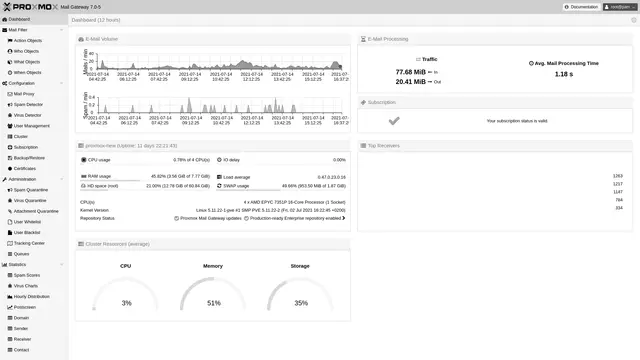
Read more →Proxmox Mail Gateway 9.1 ships on Debian 13.5 with Linux kernel 7.0, an improved spam quarantine interface and native encryption to Proxmox Backup Server.
Read more →Hyper-V Live Migration moves running virtual machines from one host to another with no perceived downtime. Since Windows Server 2016 it no longer requires Failover Clustering.
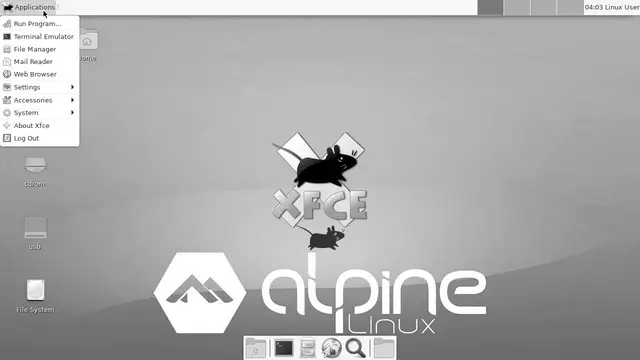
Read more →Alpine Linux 3.24 ships the Linux 6.18 LTS kernel, the GNOME 50, KDE Plasma 6.6, and COSMIC desktops, Sway 1.12, and Limine bootloader support with IPv6 in the installer.
Read more →A clear breakdown of the three pieces behind virtualization in Red Hat Enterprise Linux: KVM in the kernel, QEMU as the emulator and libvirt as the management layer, with virt-manager, Cockpit and virsh.
Read more →OpenNebula Systems joins the Confidential Computing Consortium as a General Member and appears in the '3 Degrees of Confidential Computing' report. A look at confidential VM support over KVM with AMD SEV-SNP, Intel TDX and Arm CCA, plus what OpenNebula 7.2 adds.
Read more →Canonical breaks down RDMA over Converged Ethernet: the difference between RoCEv1 and RoCEv2, why Ethernet needs PFC and ECN, and the kernel drivers Ubuntu ships for AI and HPC networking.
Read more →Apple introduces Siri AI, a new version of the assistant powered by Apple Intelligence, with a dedicated app, personal context and on-device processing. It ships on iOS 27, iPadOS 27, macOS 27 and visionOS 27.
Read more →At the WWDC26 opening keynote Apple introduced iOS 27, iPadOS 27, macOS 27, watchOS 27, visionOS 27 and tvOS 27, with the next round of Apple Intelligence, Siri AI and performance gains. They ship free in fall 2026.
Read more →Microsoft splits the Beta and Experimental channels for Windows 11 26H1 with new build series and lets Insiders switch branches without a clean reinstall.
Read more →What hardware Hyper-V needs according to Microsoft's documentation: a 64-bit processor with SLAT, VM Monitor Mode extensions, hardware-assisted virtualization (Intel VT / AMD-V) and DEP. How to check it with systeminfo.
Read more →GNOME 50.2 ships rate control for VA-API H.264 screencast pipelines, plus fixes across Mutter, Nautilus, GDM, GNOME Software, and Orca.
Read more →Canonical explains how Ubuntu 26.04 LTS installs CUDA and ROCm with a single apt install and integrates DOCA-OFED, with an eye on squeezing every watt of AI hardware.
Read more →Canonical walks through compiling, packaging and deploying AI models on Renesas RZ/V microprocessors with Ubuntu Core 26 and the DRP-AI accelerator.
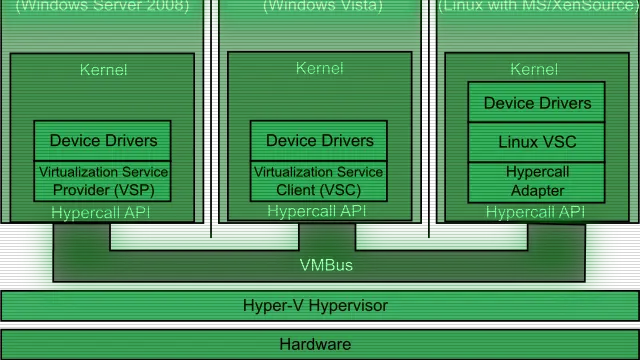
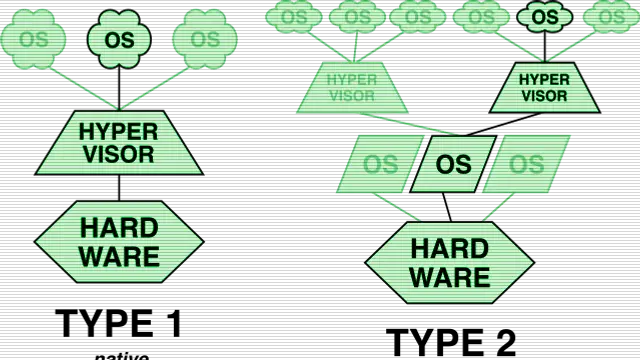
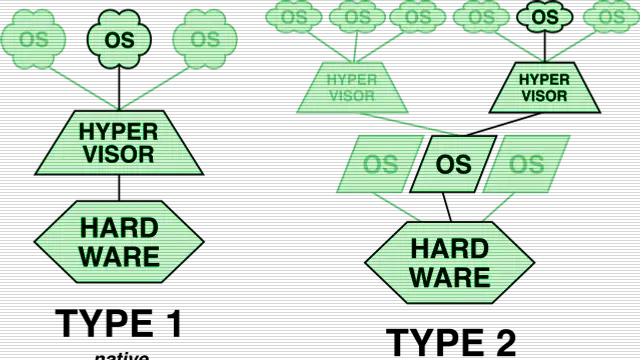
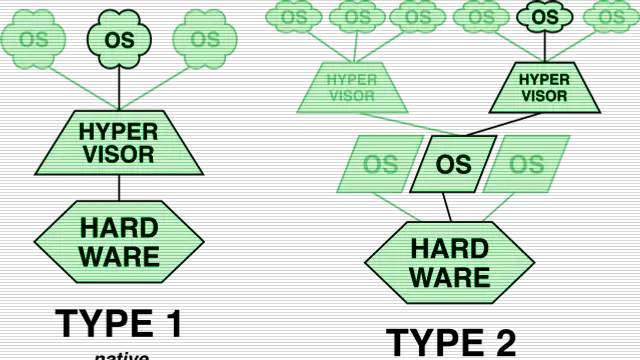
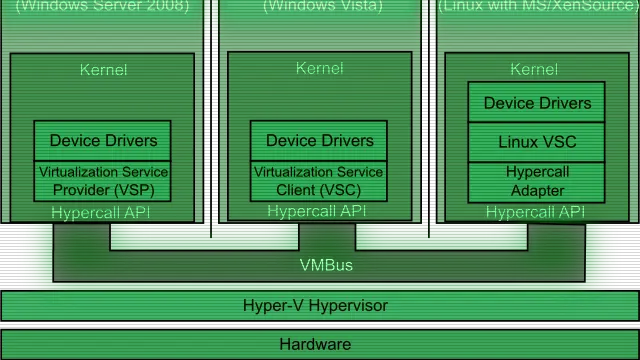
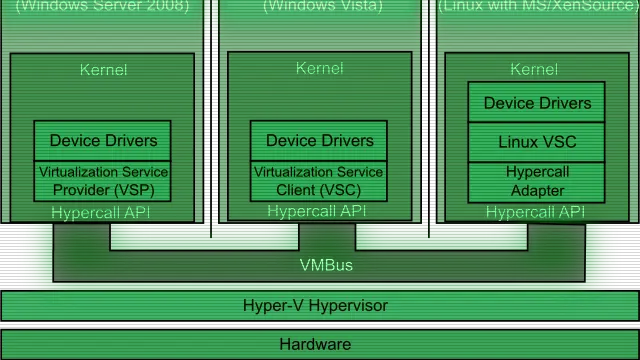
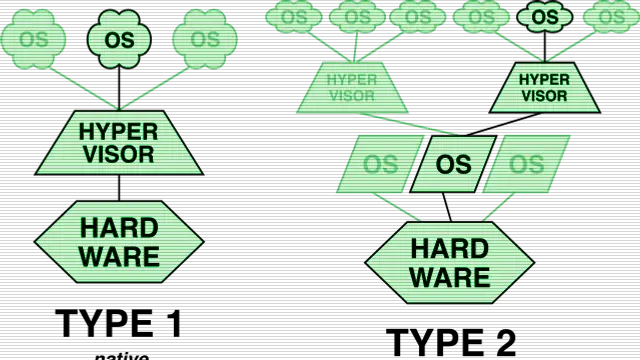
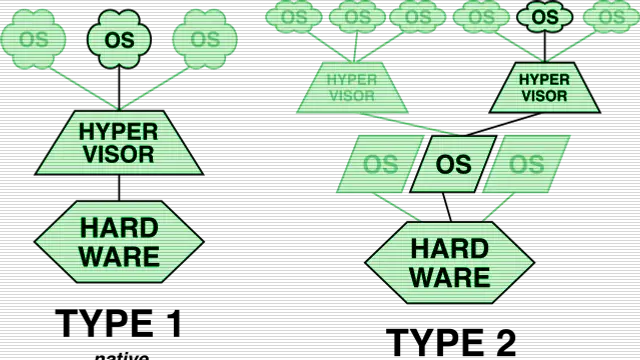
Read more →Hyper-V is Microsoft's type-1 hypervisor included in Windows Server and Windows. Here's its bare-metal architecture, what it's for and how it fits into a virtualization setup.
Read more →At Build 2026 Microsoft shows Microsoft Execution Containers, WSL Containers, post-quantum cryptography in TLS and WHCP-certified drivers by default for Windows.
Read more →Canonical brings Ubuntu and Ubuntu Pro to Microsoft's second-generation Arm silicon from day one of preview, with kernel Livepatch on Arm64.
Read more →Microsoft introduces Microsoft Execution Containers (MXC), a policy-driven execution layer to sandbox AI agents on Windows and WSL, with process isolation, session isolation and hypervisor micro-VMs.
Read more →XCP-ng ships its first June 2026 update for the 8.3 LTS branch: kernel patches against local root escalation, the end of ssh-rsa support, USB smartcard passthrough and a higher UEFI vCPU ceiling.
Read more →libvirt 12.4.0 adds per-VM energy monitoring via resctrl, lifecycle events for virtio channels, bhyve improvements and the freezer controller in CGroupV2.
Read more →Canonical packages the NVIDIA OpenShell runtime as a snap on Ubuntu to sandbox AI agents. One command to install, and it runs on DGX Spark, DGX Station and RTX PRO.
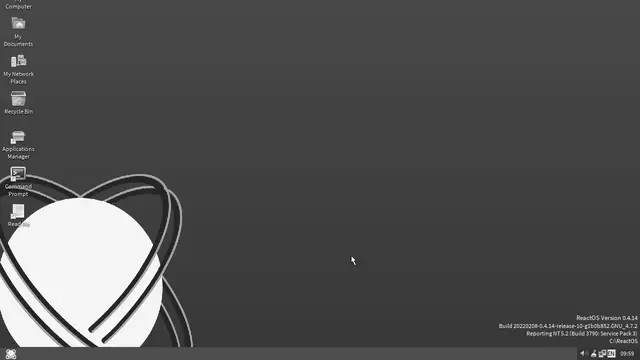
Read more →History, key versions and curiosities of ReactOS, the free operating system recreating Windows with binary compatibility for apps and drivers since 1998.
Read more →Canonical and Google Cloud ship certified Ubuntu images on TPU virtual machines, supporting Ironwood, Trillium, v5p and v5e with optimized access to JAX, PyTorch and TensorFlow.
Read more →Canonical publishes a guide for moving from Apache Spark 3 to Spark 4. Here are the Scala and Java requirements, the default ANSI SQL mode and the phased migration strategy.
Read more →Canonical introduces Workshop, an Ubuntu tool that spins up sandboxed dev environments defined in YAML, running on unprivileged LXD containers and built with AI agents in mind.
Read more →Canonical explains how to run agentic AI workloads on Arm and Ubuntu 26.04 LTS: CPUs with up to 136 Neoverse V3 cores, Arm64 kernel livepatching and 15 years of support with Ubuntu Pro.
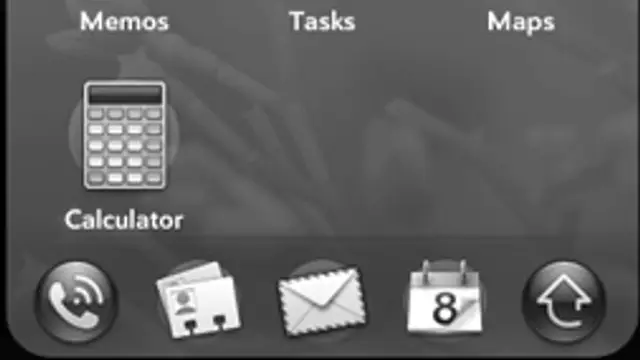
Read more →The story of webOS, Palm's groundbreaking operating system: cards multitasking, Synergy, its journey through HP and its rebirth on LG smart TVs.
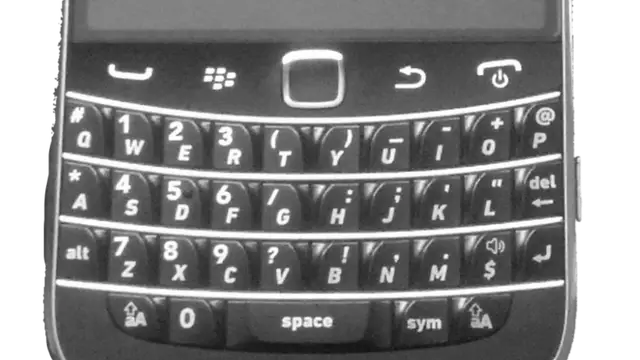
Read more →The history of BlackBerry OS: from RIM's 1999 pager to the reign of push email and physical keyboards, the famous BBM, and its fall to iOS and Android.
Read more →Canonical announces a fully managed Kubeflow MLOps platform on the Azure Marketplace: deployable in under an hour, running on AKS, with 24/7 management.
Read more →Canonical breaks down PinTheft, a Linux kernel bug that poisons the page cache. CVSS 7.8, Medium priority on Ubuntu, and why the default configuration isn't vulnerable.
Read more →Canonical shows how to bring cloud intelligence to the edge with Ubuntu Core 26, AWS and Azure runtimes delivered as snaps, and on-device AI deployment.
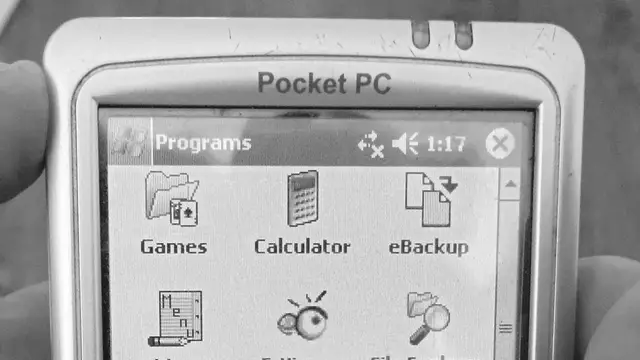
Read more →The history of Windows Mobile and Pocket PC: Windows CE roots, key versions, the stylus, and why they faded away against iOS and Android.
Read more →Ubuntu Core 26 ships on top of Ubuntu 26.04 LTS, with OTA updates up to 90% smaller, Livepatch on ARM64 and TPM-sealed keys.
Read more →A Linux kernel race condition let local users read sensitive files through ptrace. Ubuntu has patches out for Focal, Jammy, Noble, Questing and Resolute.
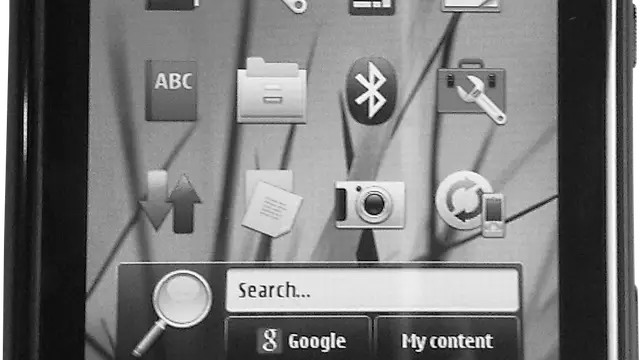
Read more →The history of Symbian OS: from Psion's EPOC to the operating system that dominated Nokia smartphones in the 2000s. Versions, S60, UIQ and trivia.
Read more →Canonical introduces Redhound, an AI auditing agent that found three critical zero-days in LXD that had gone unnoticed for years.
Read more →The history of Palm OS, the operating system behind the PalmPilot PDAs: origins, key versions, Graffiti handwriting and its legacy before smartphones.
Read more →The story of Caldera OpenLinux, a pioneer of commercial Linux, its versions and its turn into SCO Group, the source of the 2000s lawsuits against Linux and IBM.
Read more →Canonical ships patches for Dirty Frag, two local privilege escalation flaws in the ESP/IPsec and RxRPC kernel modules. Affected releases run from Ubuntu 18.04 to 26.04 LTS.
Read more →The story of Knoppix, the first popular Live CD built by Klaus Knopper in 2000: key releases, its legendary hardware detection and surprising trivia.
Read more →The story of Mandrake Linux and Mandriva: born in 1998 from Gaël Duval, the lawsuit over its name, MandrakeSoft, its key versions and its legacy in Mageia and OpenMandriva.
Read more →The history of Red Hat Linux: from version 1 to 9, the birth of RPM and the 2003 split into Fedora and Red Hat Enterprise Linux. Versions and trivia.
Read more →A journey through Debian's origins: from Ian Murdock in 1993 to the legendary 1.1 Buzz, the Toy Story codenames, and the birth of dpkg and apt.
Read more →Discover the history of Slackware 1.0, released by Patrick Volkerding in July 1993. Its SLS origins, key versions, trivia and why it's still alive today.
Read more →The story of Yggdrasil Linux/GNU/X, the 1992 distribution that brought Linux to CD-ROM with automatic hardware detection and live booting.
Read more →The story of Softlanding Linux System (SLS), the first Linux distro to bundle the kernel, GNU and X Window on floppies. Versions, trivia and its legacy in Slackware and Debian.
Read more →The history of the Linux 0.01 kernel from 1991: origins, its 10,000 lines of 386-only code, the Freax name, and curious facts about Torvalds' first Linux.
Read more →The history, versions and curiosities of KolibriOS, the assembly-written operating system that fits on a 1.44 MB floppy disk and boots in just seconds.
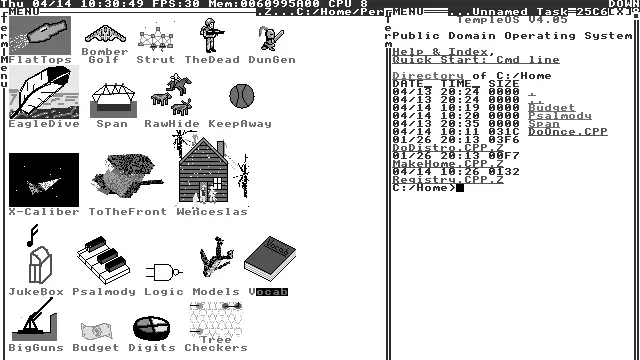
Read more →The story of TempleOS, the operating system Terry A. Davis wrote entirely by himself over a decade: the HolyC language, 640x480 graphics and one of computing's strangest legends.
Read more →The history of IBM OS/360, the operating system of the System/360 (1964): its PCP, MFT and MVT options, its chaotic development and The Mythical Man-Month.
Read more →The story of VMS and OpenVMS: born at DEC in 1977 for the VAX, famous for its clustering and legendary reliability, and still maintained today by VSI on x86-64.
Read more →The history, versions and curiosities of Multics, the ambitious MIT, GE and Bell Labs operating system whose complexity inspired the creation of Unix.
Read more →The story of AIX, IBM's Unix born in 1986 for POWER systems. Key versions, the SMIT tool and trivia about one of the longest-lived commercial Unix operating systems.
Read more →The history of HP-UX, Hewlett-Packard's Unix born in 1984: its key versions, the leap from PA-RISC to Itanium, VUE, SAM and its final shutdown in 2025.
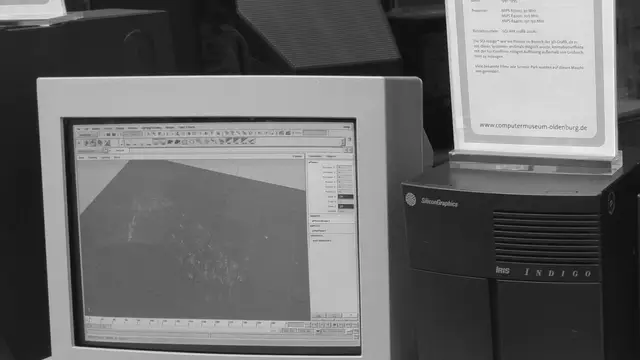
Read more →The history, versions and curiosities of IRIX, Silicon Graphics' Unix for high-end graphics workstations that powered movie effects like those in Jurassic Park.
Read more →The history of SunOS and Solaris: from the BSD workstation to Sun's System V Unix, with NFS, ZFS, DTrace, OpenSolaris and its legacy in illumos.
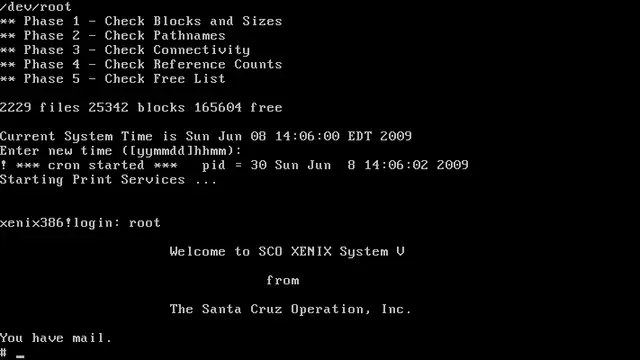
Read more →The history of Xenix, the Unix Microsoft licensed from AT&T in 1980: its origins, key versions, the handover to SCO and why it became the most widespread Unix of its era.
Read more →The history of the original Berkeley BSD: from 1BSD to 4.4BSD, 4.2BSD's TCP/IP, the CSRG group, the AT&T lawsuit and a legacy that lives on today.
Read more →The history of Bell Labs' Unix V6 (1975) and V7 (1979): the versions that escaped AT&T, conquered universities and shaped today's Linux and BSD systems.
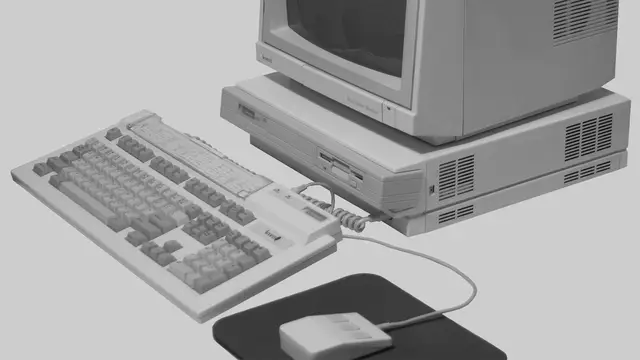
Read more →RISC OS, Acorn's operating system for the Archimedes in 1987, was the cradle of ARM processors. Its history, key versions and real curiosities.
Read more →The story of GEOS, Berkeley Softworks' graphical OS that brought windows, a mouse and desktop publishing to the Commodore 64 and Apple II back in 1986.
Read more →The history of OS/2: the operating system IBM and Microsoft built together, its Warp releases, why it lost to Windows, and how it lives on in ArcaOS.
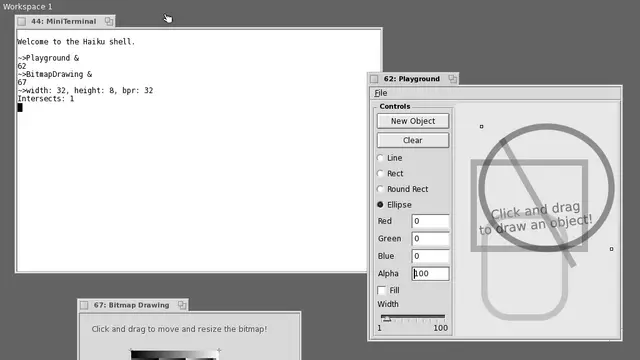
Read more →BeOS, the 1990s multimedia operating system from Be Inc. and Jean-Louis Gassée. Its history, key versions, Apple's rejection and its rebirth as Haiku.
Read more →The story of the Commodore 64 and its KERNAL: 1982 origins, the best-selling 8-bit computer in history, ROM revisions, legendary chips and real trivia.
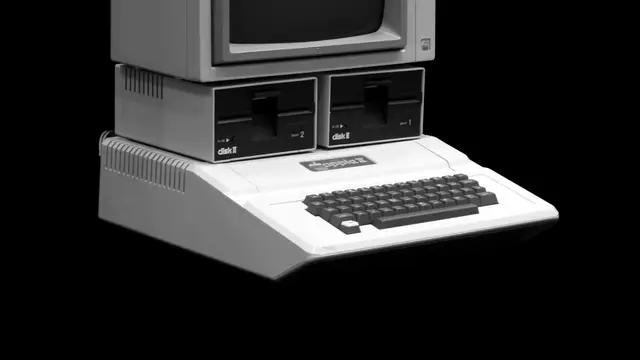
Read more →The story of the Apple II (1977) and its operating system: from Apple DOS 3.3 to ProDOS. Versions, VisiCalc, Wozniak's legacy and trivia of the 8-bit classic.
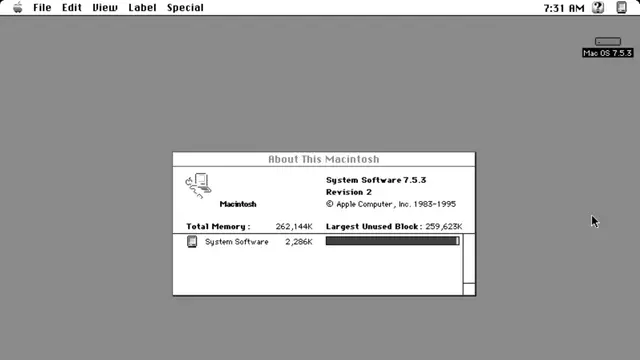
Read more →History of the classic Mac OS, from System 1 (1984) to Mac OS 9 (1999): key versions, the graphical interface that changed computing, and its quirks.
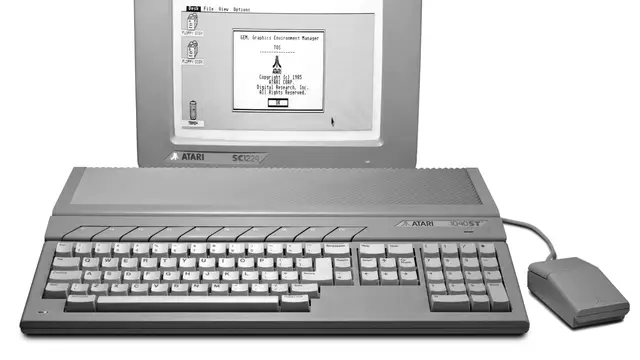
Read more →The history of the Atari ST and its TOS operating system: Jack Tramiel's origins, Digital Research's GEM, its versions, and the MIDI ports that made it a legend.
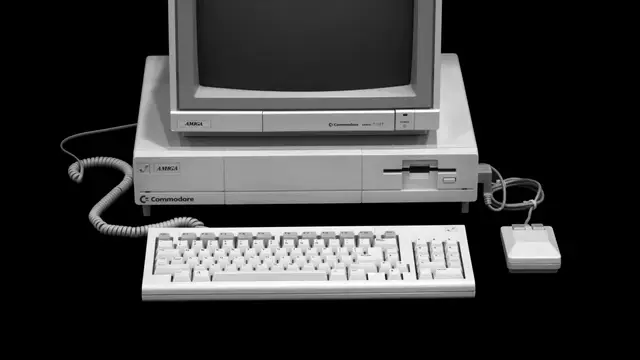
Read more →The story of AmigaOS and the Commodore Amiga: real preemptive multitasking in 1985, the Agnus, Denise and Paula chips, Workbench and the legendary Boing Ball.
Read more →The history of CP/M, Gary Kildall and Digital Research's system that dominated 8-bit microcomputers before IBM chose DOS for its PC.
Read more →The story of FreeDOS: how Jim Hall kept DOS alive since 1994 with a free system. Key versions, real trivia, and its enduring use for flashing the BIOS.
Read more →Origins, key versions and curiosities of PC DOS, IBM's operating system for the PC. From PC DOS 1.0 to PC DOS 2000 after the split with Microsoft.
Read more →The story of DR-DOS, Digital Research's operating system that challenged MS-DOS: its versions, pioneering multitasking and the infamous AARD code.
Read more →The story of MS-DOS 6.22, the final standalone version of MS-DOS. The Stac lawsuit, the end of DoubleSpace and the birth of DriveSpace in 1994.
Read more →The story of MS-DOS: from QDOS and Seattle Computer Products to Microsoft, its key versions, its 1980s reign and lesser-known curiosities.
Read more →The story of Windows XP: the 2001 OS that unified the NT branch, popularised the Luna interface and lasted until 2014. Editions, the Bliss wallpaper and fun facts.
Read more →The history of Windows NT, the 32-bit OS built by Dave Cutler in 1993: origins, key versions and curiosities of the kernel that still powers Windows today.
Read more →The story of Windows Millennium Edition: the last of the 9x line, new features like System Restore and Movie Maker, and the reputation for instability it earned.
Read more →A look back at Windows 98: its 1998 release, Internet Explorer integration, USB and FAT32 support, the Second Edition update and the famous blue screen demo.
Read more →History, versions and trivia of Windows 95: the Start menu, Plug and Play and the Rolling Stones' Start Me Up campaign that defined an era of computing.
Read more →History of Windows 3.0 and 3.1 (1990-1992): Microsoft's first big hit, Program Manager, 386 protected mode, TrueType fonts, multimedia and curiosities.
Read more →The history of Windows 2.0, released in 1987: overlapping windows, keyboard shortcuts, the /286 and /386 editions, Apple's lawsuit, and the first Word and Excel.
Read more →Windows 1.0 (1985), Microsoft's first graphical environment over MS-DOS: its history, versions, tiled windows and the lesser-known curiosities behind it.
Read more →