For nearly a decade, carrying a BlackBerry in your pocket said something about you: productivity, power, a certain professional standing. Behind those physical-keyboard phones ran an operating system, BlackBerry OS, that defined what we meant by “smartphone” years before the iPhone showed up. Here is how it rose so high and why it fell so hard.
The origins: RIM and the pager that changed everything
BlackBerry OS was born inside Research In Motion (RIM), a Canadian company based in Waterloo, Ontario. The first version, 1.0, appeared in January 1999 on the RIM 850, a gadget that looked more like a pager than a phone. The pitch was clear and, for the time, bold: secure wireless email, calendar synchronization, and enterprise connectivity through the BlackBerry Enterprise Server (BES).
The feature that changed everything arrived with the BlackBerry 5810 in 2002: push email. No more manual syncing. New messages, contacts, tasks, and calendar entries landed on the device the moment they arrived. For people who lived in their inbox it felt like magic, and it turned the brand into a must-have for executives, lawyers, and politicians.
Physical keyboard, trackball, and the BlackBerry experience
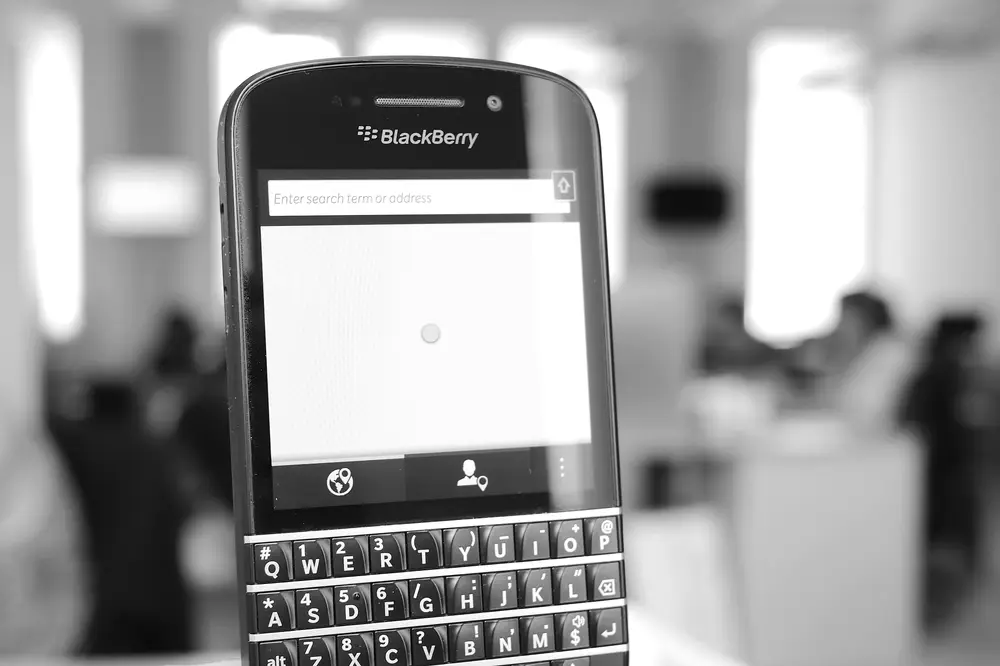
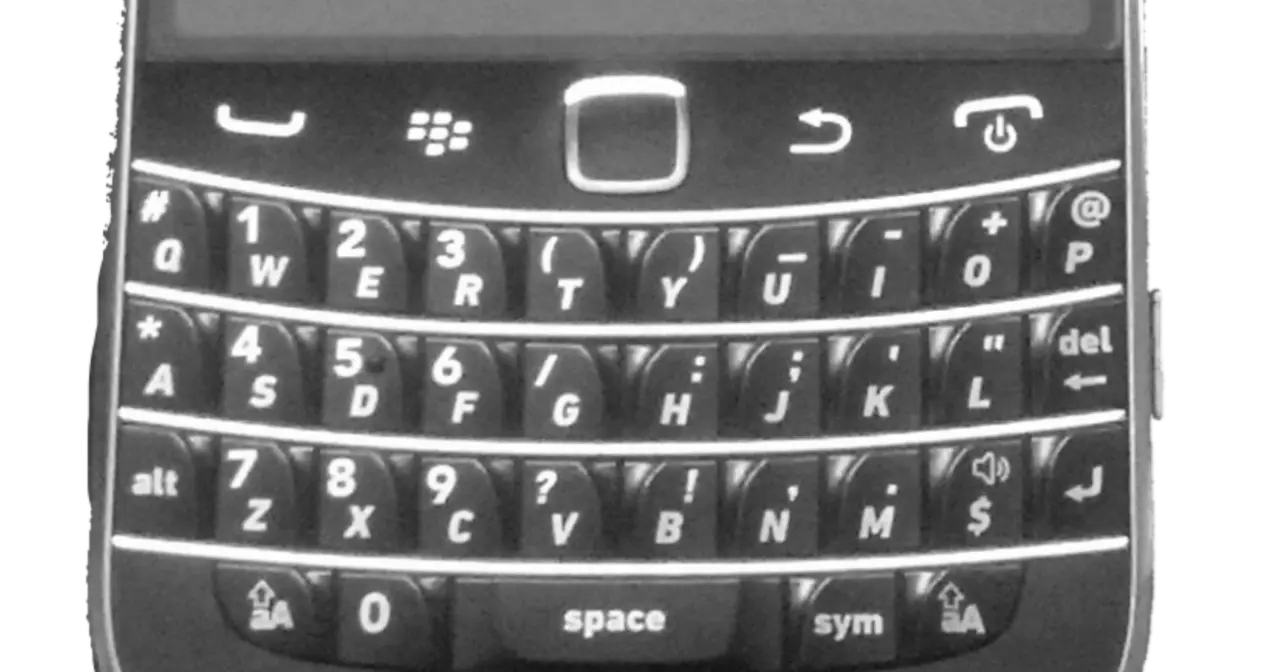
What made the system stand out wasn’t just email, it was the whole package. You could spot a BlackBerry instantly by its physical QWERTY keyboard, first paired with a side scroll wheel, then a central trackball, and finally an optical trackpad. Typing long emails was fast and comfortable, something touchscreens would take years to match.
BlackBerry OS was a Java-based platform with cooperative multitasking and a heavy focus on security, which is why governments and large corporations adopted it in droves. Against the desktop and server systems that ruled the office, like Windows or the Solaris variants on enterprise servers, BlackBerry offered something new: the office in your pocket.
BBM: messaging before WhatsApp
One of the system’s great cultural marks was BBM (BlackBerry Messenger), a proprietary instant-messaging app that connected users through a unique PIN. Years before WhatsApp existed, BBM already had delivered and read receipts, group chats, and that sense of a closed community that hooked millions of young users.
BBM was so popular that it outlived its own operating system: it launched for iOS and Android on October 21, 2013, and didn’t shut down for good until May 31, 2019.
The “CrackBerry” curiosity and President Obama
People got so hooked on these devices that the press coined the nickname “CrackBerry,” playing on the idea that they were as addictive as a drug. The most famous case was Barack Obama: arriving at the White House in 2009, he refused to give up his BlackBerry, even telling reporters “I’m still clinging to my BlackBerry.” After a tug-of-war with security services, he became the first U.S. president cleared to use one, popularly dubbed the “BarackBerry.”
The pivot to QNX and BlackBerry 10
By the late 2000s, the aging Java-based system was falling behind a competition that already felt much smoother. In April 2010, RIM bought QNX Software Systems for around $200 million to build a brand-new operating system from scratch. The QNX microkernel, also found in embedded and automotive systems and related to real-time platforms like QNX, would be the foundation.
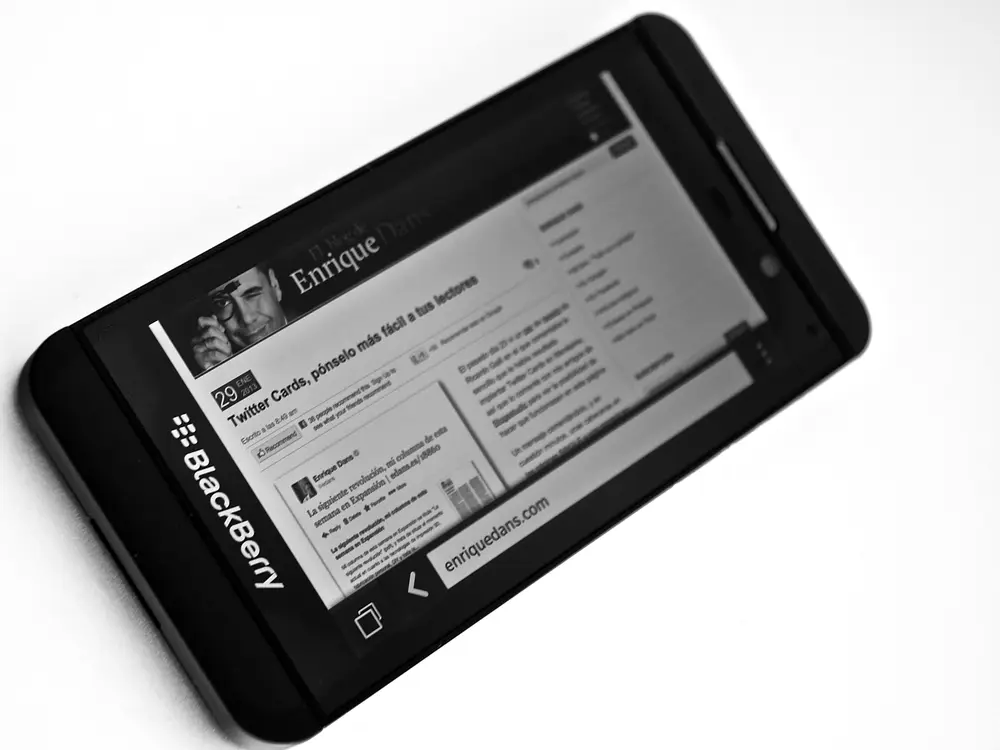
That gave rise to BlackBerry Tablet OS for the PlayBook tablet (2011) and, above all, BlackBerry 10, unveiled on January 30, 2013 alongside the Z10 (touchscreen) and Q10 (physical keyboard) models. It was a complete rewrite: modern, properly multitasking, built on QNX with a Qt/Cascades interface.
The fall to iOS and Android
But it came too late. While RIM rebuilt its platform, iOS and Android had already rewritten the rules with touchscreens, vast app stores, and ecosystems built for consumers. BlackBerry 10 earned solid technical reviews but couldn’t stop the bleeding of market share.
In 2015 the company began walking away from its own system and switched to Android with the Priv model. The classic BlackBerry OS was officially declared end-of-life on January 4, 2022, the day its services stopped working even on legacy devices. So ended the story of a system that, like other historic giants, defined an era before a new generation left it behind.