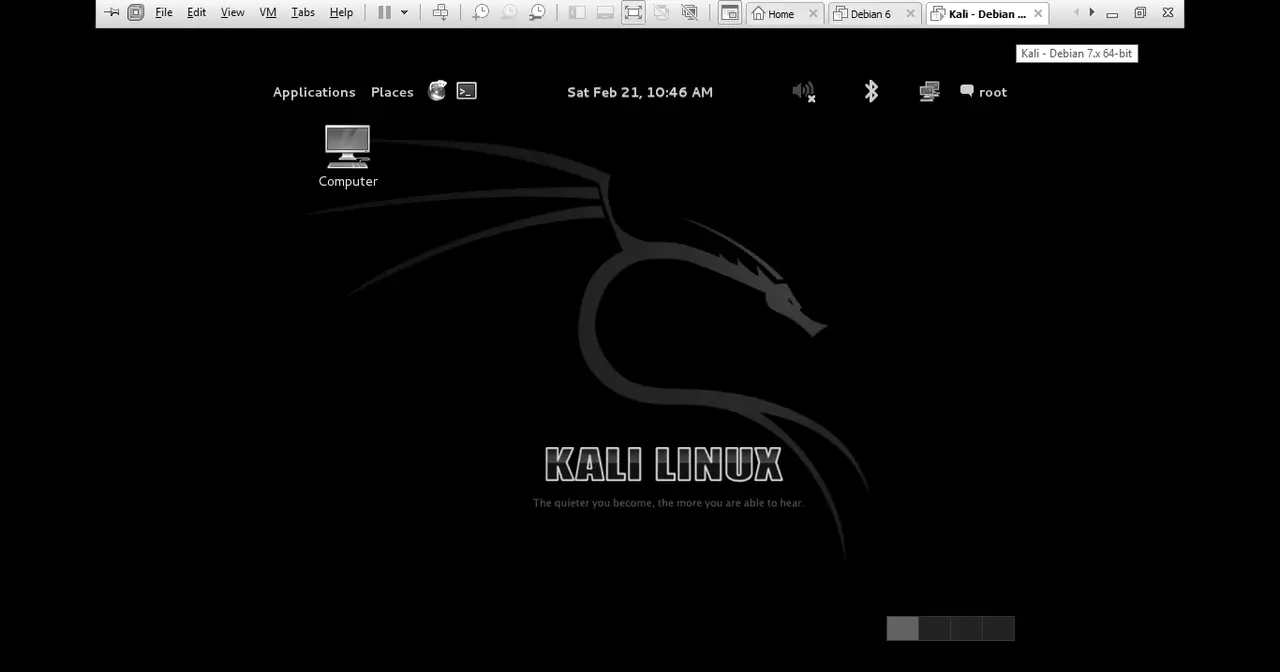
The Kali Linux project has shipped Kali Linux 2026.1, the first version of the year, on 24 March 2026. As you’d expect from a rolling distribution, the release is full of security updates, new tools and a visual makeover that opens the annual cycle.
Kali Linux is the reference distribution for penetration testing, security audits and ethical hacking. Maintained by Offensive Security, it targets cybersecurity professionals, red teams and enthusiasts who want a ready-to-use toolkit. The catalogue ships hundreds of preinstalled utilities for vulnerability analysis, reverse engineering, digital forensics and wireless network testing.
What’s new in Kali Linux 2026.1

These are the standout improvements documented in the official release notes:
- Linux kernel 6.18. The system base moves to kernel 6.18, with better hardware support and the latest kernel advances.
- Annual visual refresh. As with every first release of the year, Kali ships new boot animations, graphical installer styling, login screens and desktop wallpapers, in both the standard and purple variants.
- BackTrack Mode. To mark BackTrack Linux’s 20th anniversary, the
kali-undercover --backtrackcommand transforms the desktop and recreates the look and feel of BackTrack 5, with its original wallpaper, colors and window themes. - Eight new tools. The additions are AdaptixC2, Atomic-Operator, Fluxion, GEF, MetasploitMCP, SSTImap, WPProbe and XSStrike, which expand the arsenal for post-exploitation, fuzzing and web testing.
- Repository changes. The update adds 25 new packages, removes 9 and updates 183, so the system stays current.
- NetHunter improvements. Kali’s mobile platform gets bug fixes, kernel support for new devices and better wireless injection.
The project also flags a few known issues in the Software Defined Radio (SDR) toolset, where utilities such as gr-air-modes and gqrx-sdr have temporary compatibility problems.
Because it’s a rolling distribution, updating the system with apt update && apt full-upgrade is enough to get all the new features without reinstalling. If you’re starting from scratch, you can download the refreshed images from the official website.
You’ll find all the details, requirements and download links on the Kali Linux page at LinuxGratis.